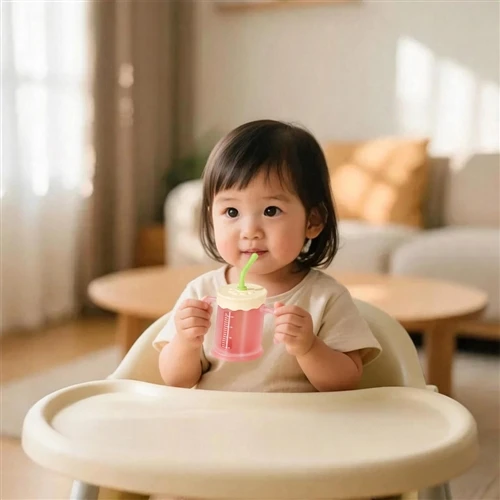
Glass baby bottles are feeding utensils for infants and toddlers made from heat-resistant glass. The most common material used is borosilicate glass, which is characterized by being BPA-free, possessing high chemical stability, and exhibiting excellent heat resistance (capable of withstanding temperature differentials exceeding 100°C). These bottles feature high transparency and smooth inner walls, making it easy to monitor liquid levels and facilitate cleaning; however, they do have the drawbacks of being fragile and relatively heavy. Products must comply with the national standard GB 38995-2020 and pass thermal shock resistance tests to ensure safety.
Based on functionality, glass baby bottles are categorized into standard types and double-layered safety types, the latter of which helps mitigate the risk of breakage. In terms of opening diameter, they are classified as standard-neck or wide-neck; wide-neck bottles have become increasingly popular due to the ease with which they allow for the preparation of powdered formula. When making a purchase, consumers should pay close attention to the transparency of the bottle body and the presence of certification marks to avoid products containing excessive levels of heavy metals. After use, bottles must be thoroughly cleaned and subjected to sterilization-via boiling, steam, or microwave-at least once daily; the recommended sterilization duration is within 5 minutes. Some brands employ thickened designs or utilize high-borosilicate glass materials to enhance impact resistance.