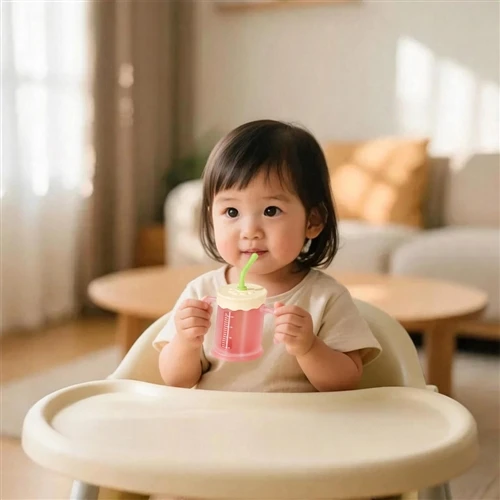
When selecting PP baby bottles, you can make your choice by observing their appearance, smelling them, touching them, and checking for specific markings. Specifically, the first step is to ensure that the bottle's manufacturing quality meets safety standards. The bottle's transparency should be sufficient to clearly see the milk volume and condition; ideally, the bottle body should not feature excessive patterns or colors. High-quality PP bottles are typically not completely transparent but possess a slightly milky-white appearance. Hold the bottle close to your nose to check for any unpleasant odors; a high-quality bottle should be entirely odorless. Any faint scent present in a PP bottle is likely the inherent smell of the PP material itself; this odor can be reduced by boiling the bottle in water for an extended period or by placing a deodorizing agent-such as bamboo charcoal-inside the bottle. Opt for bottles with high rigidity and a thicker body; if the bottle body is too soft, it may easily deform during sterilization or formula preparation, potentially leading to poor sealing or milk leakage. Additionally, when making your purchase, ensure that the triangular recycling symbol located at the bottom of the bottle displays the number "5."
PP baby bottles have a relatively short lifespan; it is recommended to replace them every 3 to 6 months-or ideally, every 3 months. After a period of use, the body of a plastic PP bottle may develop a cloudy, hazy appearance; if this "fogging" phenomenon occurs, discontinue use immediately.
Studies have shown that baby bottles made from polypropylene (PP) material release significant amounts of microplastics when used to prepare standard infant formula. The release of microplastic particles increases as the water temperature rises from 25°C to 95°C; specifically, high-temperature sterilization processes contribute to an elevated release of microplastics from PP bottles. Research suggests adopting the following steps to minimize microplastic exposure: rinse the high-temperature-sterilized bottle with cool, sterile water; prepare the infant formula in a non-plastic container; allow the formula to cool to room temperature before transferring it into the sterilized and cooled baby bottle; and avoid reheating the formula in a plastic container-particularly in a microwave oven.