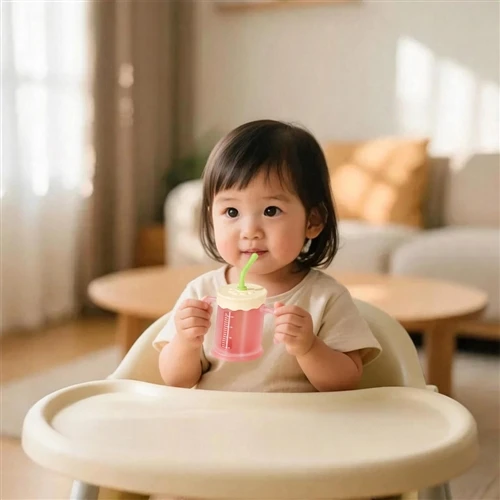
PP (Polypropylene) baby bottles are generally an excellent choice, characterized by their safety, heat resistance, and lightweight design.
1. Material Safety
Polypropylene material is free from harmful substances such as Bisphenol A (BPA). It remains chemically stable within the normal temperature range used for preparing formula, ensuring it does not release toxic components that could endanger an infant's health. When purchasing, parents should look for certified products from reputable manufacturers and verify the presence of the number "5" inside the triangular recycling symbol on the bottle's base. This ensures the material is pure and helps avoid purchasing bottles made from inferior mixed plastics, thereby safeguarding the safety of the feeding utensils used by the baby.
2. Heat Resistance
This material possesses a high melting point, allowing it to withstand high-temperature steam sterilization and boiling without easily deforming or melting. For daily sterilization, parents can place cleaned bottles into boiling water for a few minutes or use a steam sterilizer without worrying about heat-induced damage to the bottle. However, care should be taken to avoid prolonged exposure to dry heat or direct contact with open flames, as this could cause localized overheating and damage, thereby compromising the bottle's lifespan and safety.
3. Lightweight Design
Compared to glass bottles, polypropylene has a lower density, resulting in a lighter overall weight. This makes it easier for a baby's small hands to grasp and convenient for parents to carry while on the go. The lightweight body reduces the strain on a baby's arms during feeding and minimizes the risk of breakage should the bottle slip from their hands. For families requiring frequent feedings or those who travel often with their baby, this lightweight feature significantly enhances convenience and comfort during use.
4. Moderate Transparency
PP baby bottles typically appear semi-transparent. While their clarity is slightly lower than that of glass or PPSU materials, it remains sufficient for parents to roughly gauge the remaining milk volume and observe the color and consistency of the liquid. During use, parents can utilize ambient light to help determine whether the formula has been mixed evenly and to check for any clumping. If any abnormalities or sediment are detected in the milk, feeding should be stopped immediately to investigate the cause, ensuring the baby consumes only healthy, properly prepared formula.
5. Economical and Durable
These bottles have relatively low production costs and are affordably priced in the market. Furthermore, they possess strong impact resistance and are not prone to shattering, making them ideal for use by active, energetic infants and toddlers. Even if accidentally dropped from a height, they typically sustain only minor scratches or dents-unlike glass bottles, which would shatter and potentially cause injury. Parents may replace the bottles periodically, taking into account the frequency of use and the degree of wear and tear; this approach is both cost-effective and ensures the continuous provision of safe feeding tools.
As part of their daily care routine, parents should regularly inspect the bottles for cracks, discoloration, or unusual odors. Should any signs of aging be detected, the bottle must be replaced with a new one immediately. When cleaning, it is recommended to use a dedicated bottle brush and a mild detergent to thoroughly remove milk residue and prevent bacterial growth. For storage, bottles should be kept in a dry, well-ventilated area, away from direct sunlight, which can accelerate material degradation. Furthermore, avoid using the bottles to hold acidic beverages or fatty foods for extended periods, as this may corrode the material and potentially compromise the baby's health. By consistently adhering to sound feeding principles, parents can effectively safeguard their baby's growth and well-being.